
Natural disasters like hurricanes and floods can wreak havoc on physical infrastructure, but they also create prime opportunities for cybercriminals to exploit vulnerable systems. Florida, frequently in the path of tropical storms and hurricanes, faces a dual threat: physical damage and increased cyberattack risks. As the state braces for seasonal flooding and storms, both organizations and individuals must strengthen their cyber resilience.
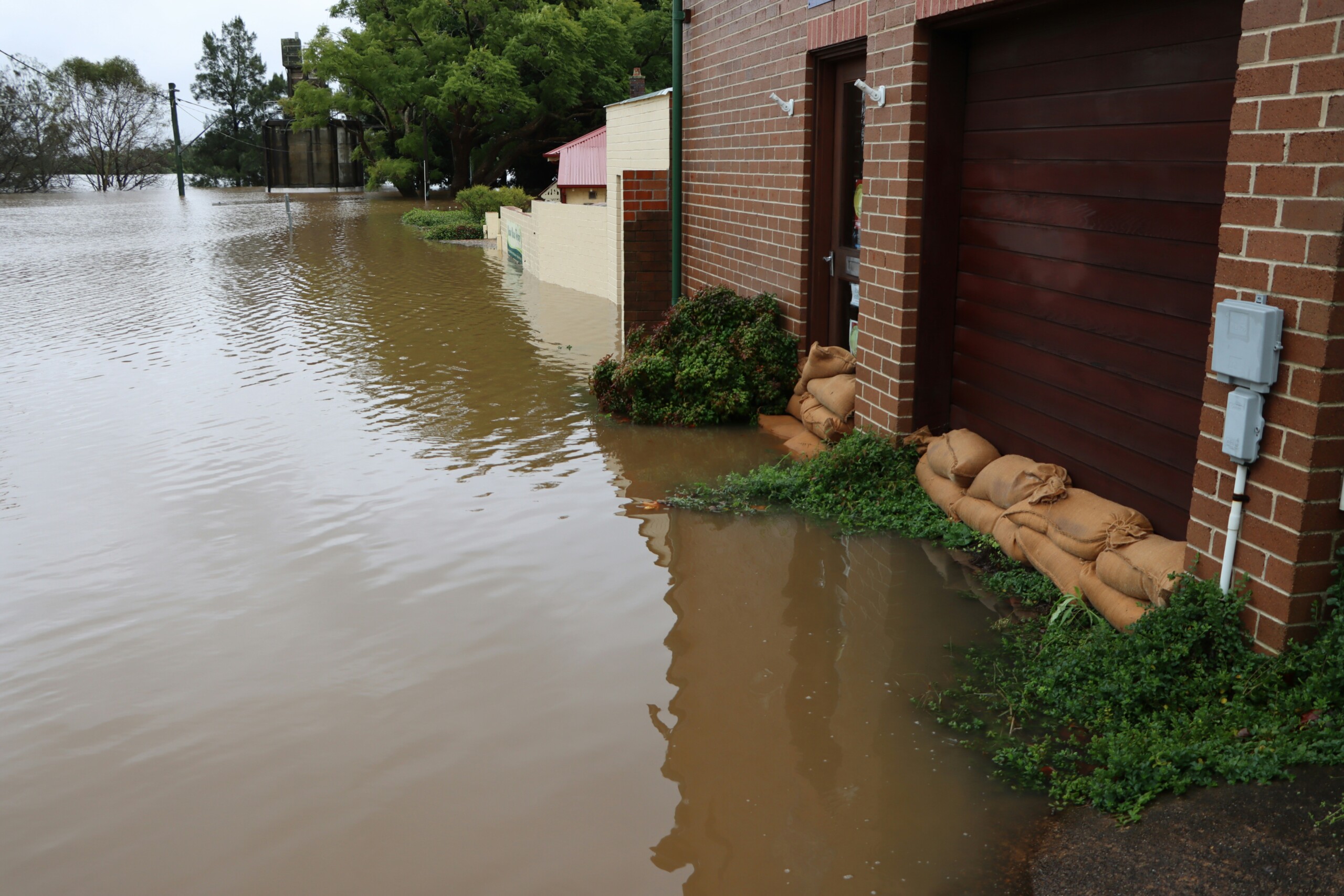
The Link Between Natural Disasters and Cyber Threats
During a natural disaster, resources may be stretched to their limit. Communication networks may falter, and standard security protocols can easily be overlooked. Cybercriminals exploit this chaos to launch phishing campaigns, ransomware attacks, and data breaches. In Florida, where severe weather can disrupt power grids and emergency services, the risk is exceptionally high.
When systems go offline or personnel are diverted, IT environments become more susceptible to vulnerabilities. Additionally, disaster-related data—such as insurance information and government aid applications—becomes a lucrative target. Therefore, businesses must take proactive steps to prepare in advance of the storm.
The first step is to back up critical data. Before any storm arrives, all critical systems and data should be securely backed up, ideally offsite or in the cloud. As an alternative, redundant storage across geographic locations can mitigate the risk of data loss during physical infrastructure damage.
Next, companies should update their software and make sure patches are up to date. Cybercriminals often exploit outdated software. Systems should be kept up to date with the latest security patches, especially those related to remote access, communication platforms, and file-sharing tools.
In disaster situations, employees may need to work remotely. Companies should take steps to ensure that all remote connections use encrypted VPNs and that multi-factor authentication (MFA) is enabled to prevent unauthorized access. They can then conduct risk assessments to identify the most critical assets and evaluate the impact of potential downtime. This helps prioritize resources and protects the most valuable systems from being compromised.
Once this is done, an Incident Response Plan can be developed. A documented plan for responding to cyber incidents during natural disasters should include communication protocols, key contacts, and steps for isolating and recovering affected systems.
Staying Vigilant During Natural Disasters
After an incident, companies should step up monitoring for suspicious behavior. In the aftermath of storms, phishing emails pretending to be from FEMA, utility companies, or local authorities often increase. Staff and personnel should be properly trained to recognize and report any suspicious communication. Also, during this high-risk period, only essential personnel should have administrative access. Reducing the number of people with privileged access helps limit the potential damage.
When in an emergency situation following a disaster, companies should avoid using unsecured channels (like public Wi-Fi) for sensitive communications. Instead, they should take steps to ensure that critical communications are encrypted and reliable. Cybersecurity personnel should be available during storm events in order to act quickly if an attack is detected.
Post-Disaster Recovery with Cybersecurity in Mind
After physical recovery begins, businesses should conduct a cybersecurity audit to check for signs of breaches or malware that may have been planted during the storm. If data was compromised or encrypted (e.g., by ransomware), companies should restore from clean, verified backups rather than risking reinfection.
Every disaster is a learning opportunity. After the danger has passed and recovery is complete, it is important to debrief the team, assess what worked and what didn’t, and update all cyber and emergency plans accordingly.
In flood- and storm-prone areas like the Gulf Coast of Florida, preparing for natural disasters must include cybersecurity readiness. By integrating cybersecurity into disaster preparedness plans, organizations can better protect themselves from both physical and digital threats.
If you need assistance, call the experts at Alliance IT. We have the knowledge and infrastructure you need to protect your business.