
The question for most organizations today is no longer whether technology is critical to the business—it’s whether their IT approach is helping them move forward or quietly holding them back. Many companies are still operating with a reactive IT model: systems are fixed when they break, security issues are addressed after alerts go off, and planning happens only when something forces it. That approach may have worked a decade ago, but today it introduces unnecessary risk. Resilient IT has become the smarter, safer choice.
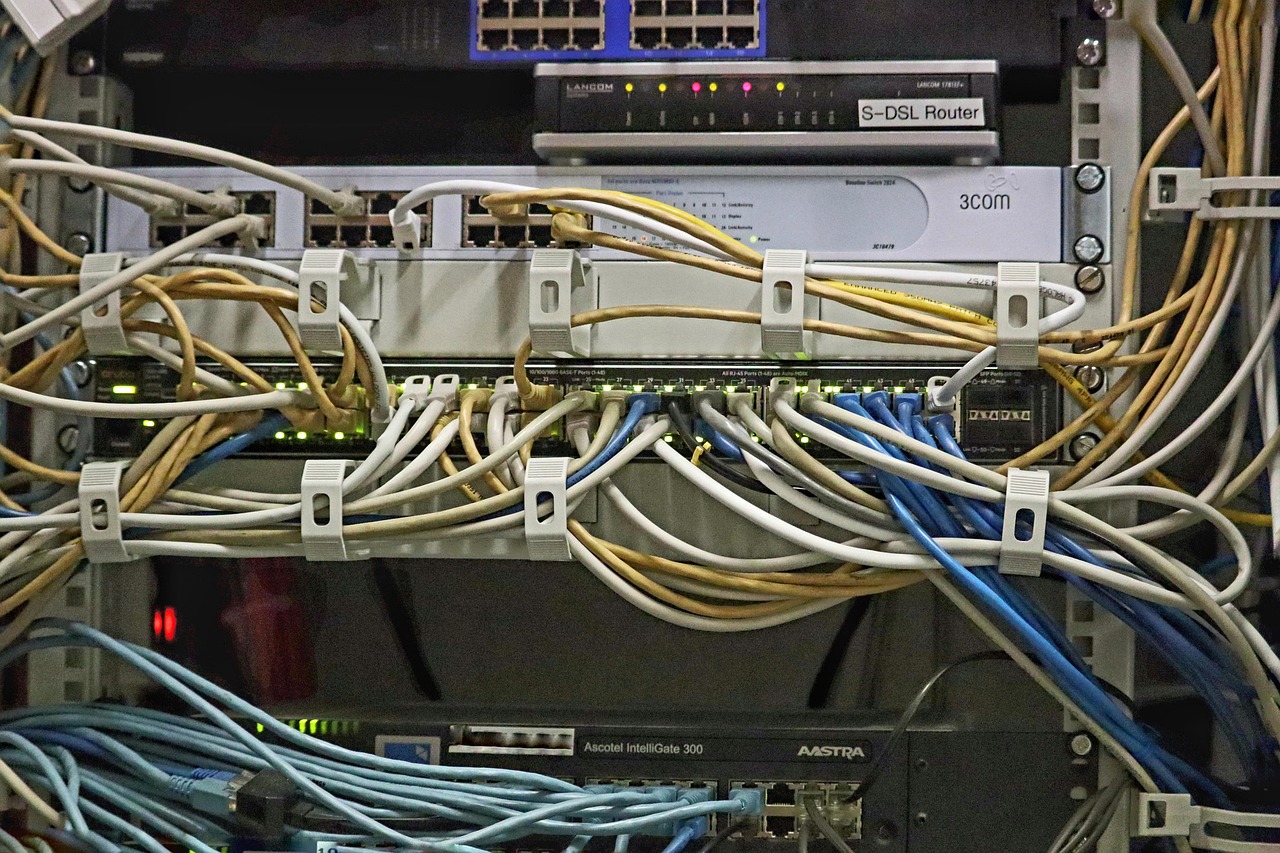
Reactive IT is exactly what it sounds like. Something fails, users complain, productivity drops, and IT jumps in to resolve the issue as quickly as possible. The focus is on response time and ticket volume rather than root causes and long-term stability. While this can keep the lights on, it creates an environment where outages, security incidents, and performance issues are accepted as normal. Over time, these “small” disruptions add up—lost hours, frustrated employees, missed opportunities, and growing technical debt.
Resilient IT flips that model. Instead of asking, “How fast can we fix this?” the question becomes, “How do we prevent this from happening at all?” Resilience is fortified through:
- proactive monitoring
- standardization
- security-first design
- strategic planning
Resilient IT designs systems that can absorb stress—whether that’s a hardware failure or a cyber threat—without grinding everything to a halt.
One of the biggest drivers pushing organizations toward resilience in 2026 is risk. Cyber threats are no longer rare or sophisticated outliers; they’re constant and automated. A reactive posture means responding after damage has already been done. Resilient IT, by contrast, assumes that failures and attacks will happen and prepares for them in advance. This includes layered security, regular testing, backups that are verified—not just assumed—and clear incident response plans. When something goes wrong, recovery is measured in minutes or hours, not days.
Resilient IT also supports business agility. Companies now expect more from their technology – hybrid work, cloud services, AI-powered tools, and rapid scaling are common expectations. In a reactive environment, every change introduces instability. However, resilient environments are built with change in mind. This makes it easier to adopt new tools, support growth, and pivot when the market demands it.
Cost is another area where resilience wins, even if it seems counterintuitive at first. On its face, reactive IT appears cheaper because spending is delayed until something breaks. In reality, it’s one of the most expensive ways to operate – as emergency fixes, downtime, data loss, and rushed decisions carry unknown cost.
Resilient IT favors predictable, planned investment. Budgets become more stable and leadership gains clearer visibility into how technology supports stated business goals.
Perhaps most importantly, resilient IT changes how people experience technology at work. Instead of frequent interruptions, unreliable systems, and constant workarounds, employees get tools they can trust. That reliability improves productivity and morale – and even impacts retention. When technology “just works,” teams can focus on their actual jobs instead of fighting all day simply to do get work done.
Choosing resilient IT over reactive strategies isn’t about buying more tools or chasing trends. It’s a mindset shift—from reacting to problems to designing for continuity. Companies that make this shift are better protected and better positioned for agility and growth.
Companies who ignore resilient IT strategies may find themselves constantly catching up – reacting to the last crisis while the next one is already on the way. If you’d like to explore ways to make your business more resilient in 2026, call Alliance IT. We help Florida businesses to grow, thrive and compete – no matter how challenging the landscape becomes.