
Wireless technology, cloud computing, and mobile-first workflows – all of these innovative technologies may make cabling seem antiquated. However, in 2025, structured cabling remains a critical component of a solid IT infrastructure—especially for small and medium-sized businesses (SMBs). It serves as the backbone of the network, supporting both current and future technological demands. Cabling still delivers the reliability, scalability, and cost-efficiency that are essential for SMB growth and competitiveness.
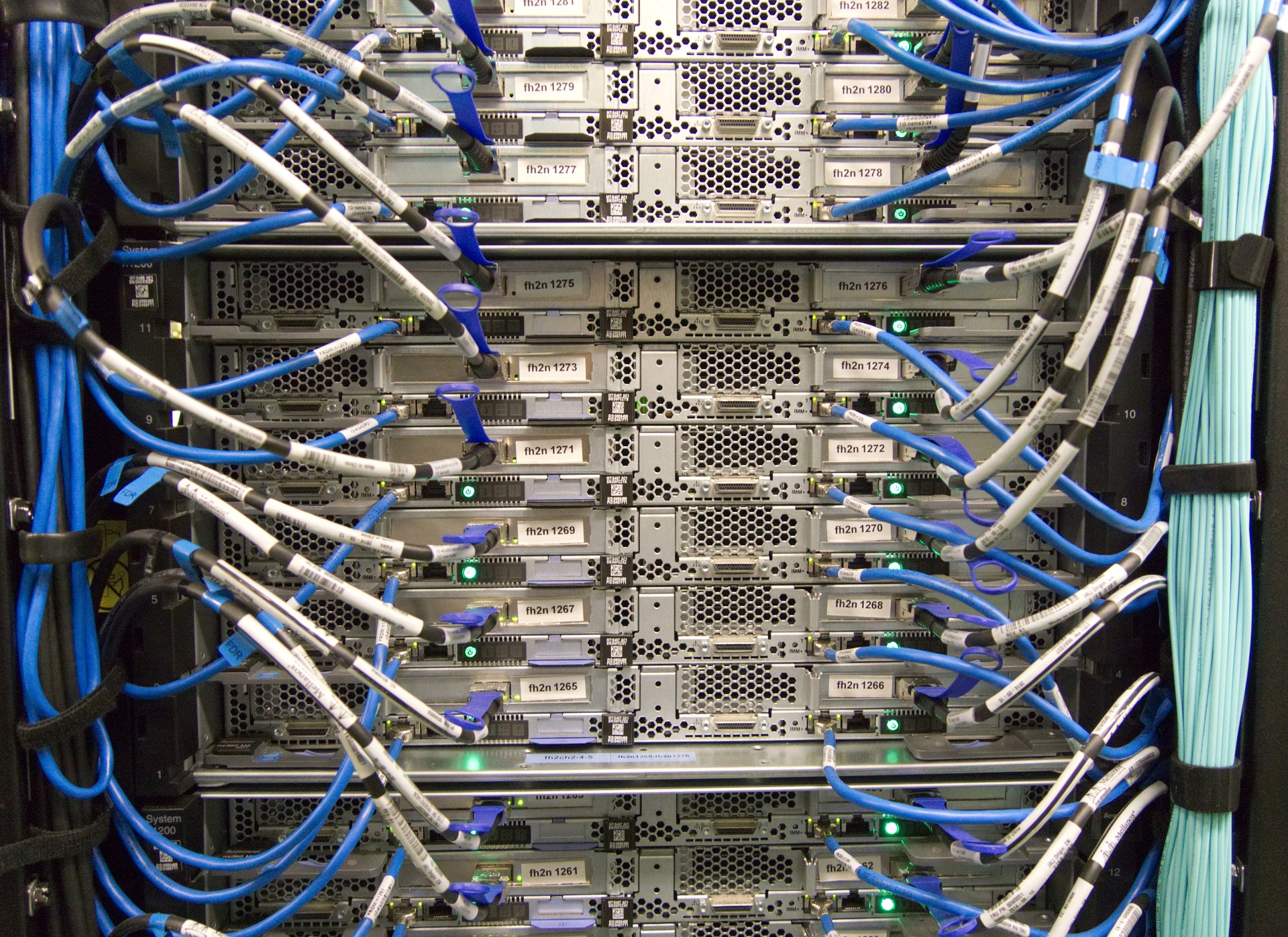
- Foundation of Network Reliability: Structured cabling represents a standard way to organize and connect network devices, guaranteeing more consistent and efficient data flow. It offers reliability to SMBs that may have limited IT support. A well-designed cabling infrastructure reduces signal interference and network errors – resulting in less downtime and more productivity.
- Performance for Modern Applications: Today’s SMBs are increasingly adopting bandwidth-intensive applications such as VoIP, video conferencing, cloud-based software, and data analytics. These applications require stable and high-speed connections, which structured cabling (especially Cat6a and fiber optics) is well-equipped to provide. While Wi-Fi has improved dramatically, it still cannot match the consistent throughput and low latency of wired connections—particularly in environments with many users or devices. Not only that, but Wi-Fi 7 requires robust backhaul connections. Access points need reliable (and fast) wired links to the network core to perform optimally. Structured cabling ensures that wireless systems themselves are supported by a strong physical foundation.
- Scalability for Future Growth: SMBs often experience rapid changes in size and technology needs. Structured cabling systems are designed to be scalable to meet those needs. Businesses can add, move, or change network components without significant disruption – whether adding more users or adopting new technologies. A structured cabling system smooths out these transitions and makes them more cost-effective.
- Simplified Maintenance and Troubleshooting: The complexity of IT maintenance is a significant pain point for SMBs – especially those without full-time IT staff. Structured cabling simplifies the process, featuring labeled and documented cabling routes and identifying/resolving connectivity issues more quickly. This organization also reduces the chances of human error, a common source of network problems in less-structured environments.
- Cost Efficiency Over Time: The upfront cost may seem significant to smaller companies. However, it pays off in the long run. Disorganized or ad hoc cabling can lead to higher maintenance costs and increased downtime, as well as the need for more frequent replacements due to wear and tear. Structured systems, built with durability and standards compliance, have a longer lifespan and require less frequent intervention. Structured cabling systems support needed upgrades without requiring an additional overhaul – helping SMBs avoid unnecessary infrastructure spending in the future.
- Support for Hybrid Work and IoT: As hybrid work remains the norm in 2025, structured cabling provides the necessary backbone for seamless communication between in-office and remote workers. Reliable connections are essential for video meetings, and remote access or collaboration tools. Furthermore, the growing use of IoT devices—from smart thermostats to security systems—adds new demands to SMB networks. A structured cabling system ensures that all these devices can connect efficiently and securely.
Even in a wireless and digital world, structured cabling still plays a vital role for SMBs in 2025. It offers a critical foundation that supports current operations while allowing for future growth and technological integration. It delivers the reliability, speed, and scalability that modern businesses need, making it not just relevant – but essential. As SMBs continue to embrace digital transformation, structured cabling remains a smart investment that empowers them to compete, grow, and adapt.
Alliance IT has been helping Sarasota area SMBs to build and maintain robust networks that allow their company to thrive. Call today to learn more about structured cabling or managed services in general.