
Structured cabling has been an essential element of network structure since networks arrived on the scene – but with the rise of wireless technology, is it still relevant? Surprisingly, the answer is a resounding yes. The growth of advanced increased data demands and the Internet of Things (IoT) have reinforced the importance of structured cabling in both enterprise and industrial environments – despite the proliferation of 5G and Wi-Fi 6E/7. In fact, structured cabling remains the backbone of scalable and secure network infrastructure.
Structured Cabling Defined
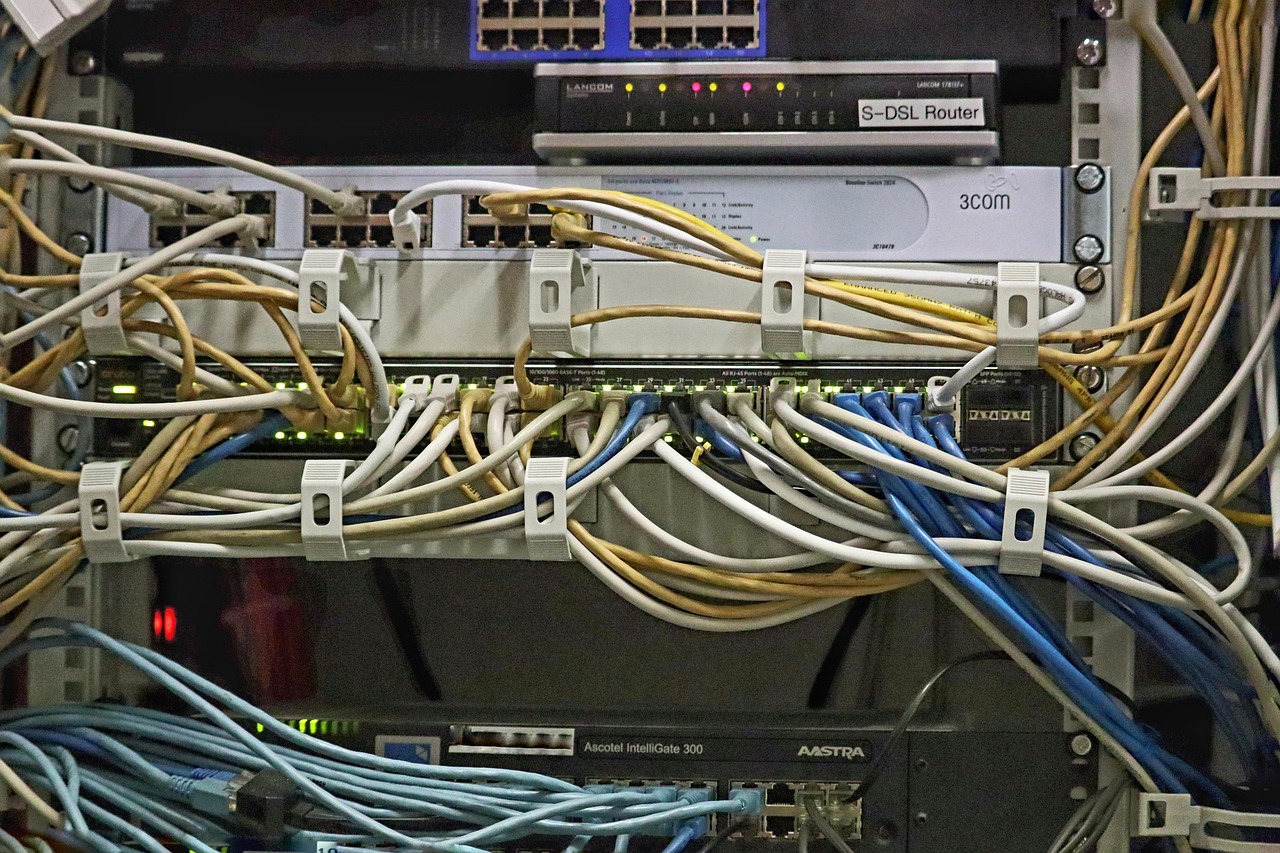
Structured cabling is a standardized system of cabling that provides a comprehensive telecommunications infrastructure. It serves a wide range of uses – such as data transmission, voice communication, and video surveillance. This system includes different subsystems like entrance facilities, equipment rooms, backbone cabling, horizontal cabling, telecommunications rooms, and work area components. The modular and organized design of structured cabling supports both current needs and future expansions.
Increasing Data Demands and Network Stability: With the exponential growth of data in business operations—from cloud computing and video conferencing to AI and big data analytics—the demand for high-speed, high-bandwidth networks has intensified. Structured cabling offers the necessary performance to support speeds of 10Gbps and beyond. These physical infrastructures ensure minimal latency, reduced packet loss, and consistent performance, which are critical in sectors like finance, healthcare, and manufacturing. Wireless technologies are certainly convenient, but they rely heavily on robust wired backbones. Access points and switches require stable cabling to function well. Without it, even the most advanced wireless systems would struggle to deliver consistent performance.
Scalability and Future-Proofing: Structured cabling is designed for the scalability that occurs as businesses evolve. When implemented cofrectly, the cabling system will facilitate upgrades and technology shifts – without the need for major infrastructure overhauls. For instance, moving from 1Gbps to 10Gbps network speeds can often be achieved with minimal changes if the right cabling was installed initially. With the rise of IoT, augmented reality (AR), and edge computing, this “future-proofing” is particularly useful. These applications require a reliable, low-latency network that structured cabling can consistently deliver.
Reliability and Downtime Prevention: Wireless networks definitely flexibile – but they’re not always reliable, as they can be affected by signal interference or network congestion. But a wired setup is more stable, especially important in environments where downtime isn’t an option. Another benefit of structured cabling is how much easier it makes managing the network. When cables are well-organized and labeled, it’s faster to track down problems, make changes, or upgrade systems. That kind of clarity helps IT teams troubleshoot quickly and keep things running smoothly.
Security and Compliance: As cyber threats evolve, the physical side of network security is just as important as firewalls and encryption. Wired networks offer a layer of security that wireless simply can’t. It’s much harder for someone to tap into a physical cable than to intercept a Wi-Fi signal. Industries with strict compliance requirements—like finance or healthcare—can guarantee security and performance with a wired structure.
Long-Term Value: Designing a structured cabling system costs more upfront, but it pays off long-term. A solid cabling setup reduces maintenance requirements and downtime – and makes future upgrades a lot simpler. Contemporary cabling systems are built with energy efficiency in mind, which helps support sustainability goals.
Structured Cabling Still Relevant in 2025
Even with fast, modern wireless options, structured cabling is essential – providing a strong wired backbone that keeps everything running smoothly.
To learn more about how to prepare your company for growth in the future, call Alliance IT. We are experts in structured cabling, but can also help with consulting, managed services and growth strategies for SMBs.